
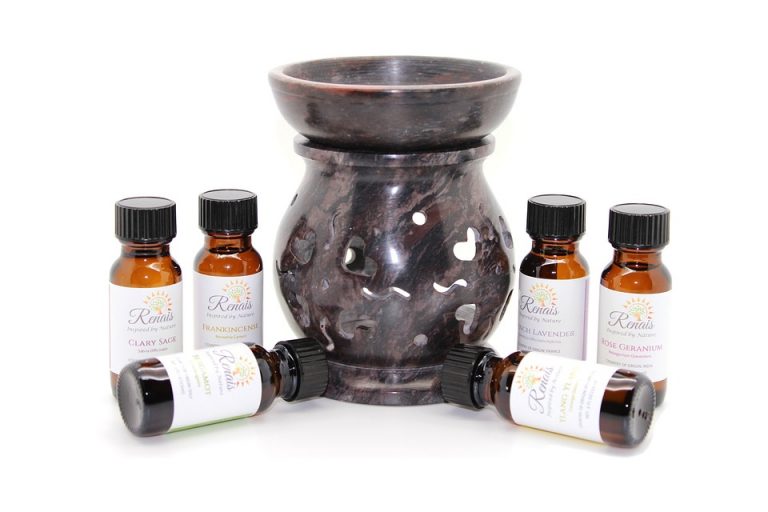
Aromatherapy: What It Is, What It Helps, and How to Use It Safely
Aromatherapy uses essential oils (highly concentrated plant extracts) to support relaxation, mood, sleep, and comfort. Hospitals and cancer centers sometimes offer it as supportive care—to help you feel better alongside standard treatment, not instead of it. Cancer.govCancer Research UK
Does aromatherapy work?
- Anxiety & stress: Multiple reviews show small–moderate anxiety reduction with inhaled oils (often lavender or citrus) in clinics and at home. ScienceDirect+1
- Labor & birth: Studies suggest trained use during labor can lower pain and anxiety for some people. PMC+1
- Procedures: In a randomized study, neroli inhalation reduced systolic blood pressure before/after colonoscopy (anxiety didn’t clearly change). PubMed
- Hospital recovery: Some small trials in cardiac and ICU settings report calmer mood and better sleep with blends like lavender/neroli/chamomile. Results vary. PMC
In cancer care, major orgs say aromatherapy may help symptoms and well-being, but it does not treat cancer. Use it with, not instead of, medical care. Cancer.govCancer Research UK
How to try it (simple + safe)
- Diffusion: Add 2–3 drops to a diffuser (follow the device’s directions) for 15–30 minutes.
- Quick inhale: Put 1–2 drops on a tissue, hold a few inches from your nose, and breathe normally.
- Topical (diluted): Mix a few drops into a tablespoon of carrier oil (like jojoba or sweet almond) for a simple massage oil. Patch test first (inside forearm, wait 24 hours).
Good starter oils:
- Lavender for calm and sleep,
- Sweet orange or bergamot FCF (furanocoumarin-free) for uplift,
- Roman chamomile for relaxation.
Watch-outs & who should be cautious
- Blood pressure: Rosemary inhalation can raise BP/heart rate in some people—skip if your BP runs high. PMCPubMed
- Seizure disorders: Avoid hyssop and other convulsant oils; seizures have been reported with certain oils, especially if ingested or overused. PMC
- Sun safety (phototoxicity): Some cold-pressed citrus oils (especially bergamot) can increase sunburn risk on skin. If using citrus topically, choose bergamot FCF or keep treated skin out of the sun for 12–24 hours. PMCTisserand Institute
- Pregnancy, asthma, major allergies, chemo/radiation: Use with clinician guidance; evidence is mixed, and skin can be extra sensitive. Cancer.gov
- General safety: Do not ingest essential oils unless directed by a qualified professional. Keep away from eyes, children, and pets.
Quick blends (easy, gentle)
- Calm Room: 2 drops lavender + 1 drop sweet orange in a diffuser.
- Pre-nap Linen Mist: In a 2 oz spray bottle: water + 4 drops lavender. Lightly mist bedding (avoid face/eyes).
- Tension Massage Oil: 1 tablespoon carrier oil + 2 drops lavender + 1 drop roman chamomile; massage shoulders/neck.
Bottom line
Aromatherapy can take the edge off stress, lift mood, and support comfort, with the best evidence for anxiety relief and labor support. Keep it simple, diluted, and short sessions, and treat it as supportive care—not a cure. ScienceDirectPMCCancer.gov
Medical disclaimer: This information is for educational purposes only and isn’t a substitute for professional medical advice, diagnosis, or treatment.