
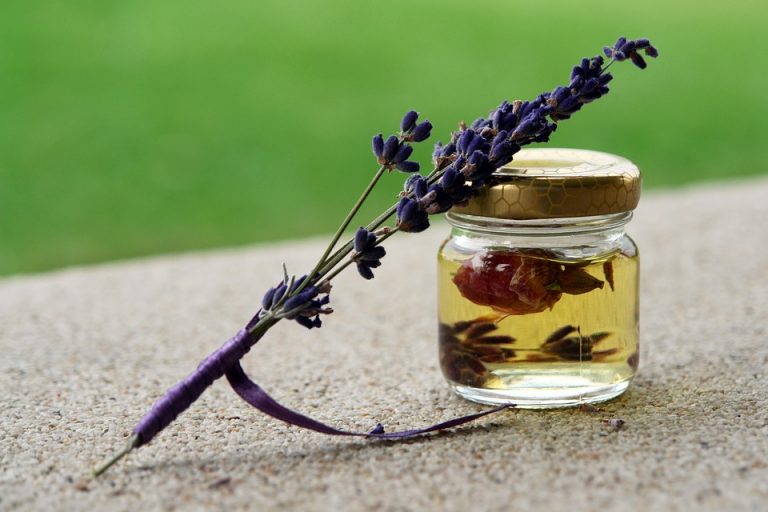
What it is: Steam-distilled from the flowers of Lavandula angustifolia, lavender essential oil is widely used to help you relax, sleep better, and soothe minor skin discomforts. Below is a clear, practical guide you can post.
What lavender may help with
- Calm & better sleep: Gentle, comforting aroma that helps many people unwind.
- Tension & mild aches: Light massage can ease tight shoulders, neck, or tired feet.
- Minor skin soothing: Helpful after small scrapes, insect bites, or sun exposure (once cooled and cleaned).
- Headache support: Some people like a tiny, diluted dab at temples/neck.
- Freshen home: Clean, floral scent for linens and simple DIY cleaners.
Lavender is supportive care—not a cure. Always keep expectations realistic and use it safely.
How to use it (easy, step-by-step)
1) In a diffuser (inhalation)
Add 2–4 drops to your diffuser and run 15–30 minutes. Great before bed or during a calm break.
2) Steam bowl (no diffuser)
Add 1–2 drops to a bowl of hot water, sit back, and breathe normally for 5–10 minutes.
Tip: Skip steam if you have asthma or very sensitive airways.
3) Topical massage (always dilute)
- Body oil (2%): 1 tablespoon (15 mL) carrier oil + 6 drops lavender.
- Face/spot (1%): 1 tablespoon (15 mL) carrier oil + 3 drops lavender.
Gently massage into tight muscles or use a tiny amount on clean, intact skin.
4) Warm/cool compress
In a bowl of water, mix 2–3 drops of lavender. Soak a cloth, wring out, and apply to minor sprains, overworked muscles, or a cool compress after sun (once skin is cooled).
5) Bath soak (safer method)
Stir 4–6 drops into 1 tsp carrier oil or unscented liquid soap first, then add to bathwater. (Don’t drop oils straight into the tub—they float and can irritate skin.)
6) Hand/foot soak
Add 1–2 drops to a bowl of warm water plus 1 tsp carrier oil or Epsom salt. Soak 10–15 minutes.
7) Home freshening & simple scrub
- Linen mist: In a 2 oz spray bottle, combine water + 6–8 drops lavender. Shake, mist lightly (avoid face/eyes).
- Sink/tub scrub: Mix 1 cup baking soda with 10–12 drops lavender. Sprinkle, dampen the sponge, and scrub. (Rinse well.)
Safety first
- Dilute for skin. Essential oils are concentrated; undiluted use can irritate. Patch test first.
- Eyes & mouth: Keep away from eyes, inner nose, and do not ingest.
- Kids & pregnancy: Use very low dilutions and ask a qualified clinician if pregnant, nursing, or using on young children.
- Medical conditions & meds: If you have sensitive skin, asthma, seizures, or hormone-related conditions, or you’re on treatment, check with your healthcare provider.
- Pets: Diffuse in a well-ventilated room and allow pets to leave the area.
Quick FAQ
Can I use it on burns? First, cool the area under cool running water for 10–20 minutes. For minor irritation only, a well-diluted lavender blend may soothe. Seek care for anything more than minor redness.
Is lavender phototoxic? No—unlike many citrus oils, lavender isn’t. Still, avoid heavy topical use just before intense sun.
Medical disclaimer: This educational content isn’t a substitute for professional medical advice, diagnosis, or treatment. Always consult a qualified healthcare professional for personal guidance.