
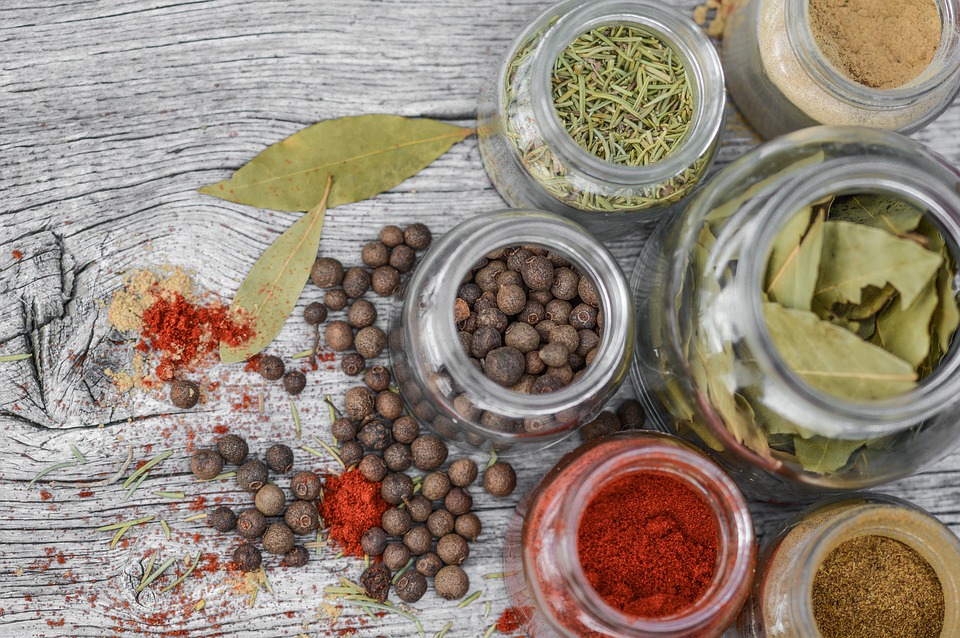
Small daily amounts of herbs and spices can add flavor and support overall wellness. They’re not cures, but many have helpful compounds. Here’s what they can realistically do—and how to use them.
Cinnamon
- May help: modestly improve blood sugar in some people; provides antioxidants. Effects on cholesterol are mixed.
- Use: sprinkle on oats, yogurt, or coffee.
- Safety: Prefer Ceylon (“true”) cinnamon for regular use; large, frequent doses of Cassia can be high in coumarin (tough on the liver).
Rosemary
- May help: antioxidant and anti-inflammatory support; studied for memory and attention; adds iron, calcium, and vitamin B6 in small amounts.
- Use: roast with potatoes/veg, infuse in olive oil.
- Safety: essential oil is potent—don’t ingest; avoid heavy inhalation if you have high blood pressure or seizures.
Sage
- May help: small studies suggest benefits for memory/attention; contains rosmarinic acid (antioxidant).
- Use: in soups, poultry, beans.
- Safety: large amounts of some sage species/essential oil contain thujone—avoid high doses.
Garlic
- May help: heart-friendly compounds (like allicin) and antimicrobial activity; may slightly shorten common-cold duration.
- Use: crush/chop, wait 10 minutes, then cook; add raw in dressings.
- Safety: can thin blood—use caution with anticoagulants or before surgery.
Oregano
- May help: antioxidants; antimicrobial activity shown in lab studies.
- Use: liberally in sauces, salads, marinades.
- Safety: oregano oil is very concentrated—dilute; not for routine internal use without guidance.
Thyme
- May help: soothing for mild coughs and throat irritation; provides vitamin K, iron, manganese (small amounts).
- Use: thyme tea, soups, roasted veg.
- Safety: essential oil is strong—avoid undiluted skin use or ingestion.
Chili peppers (capsaicin)
- May help: temporarily curb appetite and slightly boost energy expenditure; topical capsaicin is used for joint/nerve discomfort.
- Use: add fresh or dried chilies to stews, eggs, tacos.
- Safety: can irritate stomach/skin/eyes; go slow.
Turmeric
- May help: curcumin has anti-inflammatory and antioxidant actions; some evidence for joint comfort.
- Use: curry, golden milk; pair with black pepper and a fat source for better absorption.
- Safety: can interact with blood thinners and gallbladder issues.
Ginger
- May help: nausea (motion, pregnancy), mild digestive upset; anti-inflammatory support.
- Use: tea, stir-fries, smoothies.
- Safety: large amounts may interact with blood thinners or cause heartburn.
Saffron
- May help: small studies show mood support (mild–moderate depression, PMS); early research for eye health.
- Use: a pinch in rice, stews, or tea.
- Safety: very potent and expensive—use culinary amounts only; avoid high doses in pregnancy.
Cloves
- May help: rich in eugenol (antioxidant); traditional use for oral comfort.
- Use: steep in chai, add to marinades or baked goods.
- Safety: clove oil is strong and can irritate—never ingest undiluted; may affect bleeding.
How to get real benefits
- Use daily, small amounts in real meals.
- Mix and match (variety = wider range of plant compounds).
- Choose food first; leave supplements/essential oils for professional guidance.
- Mind interactions: blood thinners, blood-pressure/diabetes meds, pregnancy, GI issues—check with your clinician.
Medical disclaimer: Educational only—not medical advice. Talk to a qualified healthcare professional for personal recommendations.