
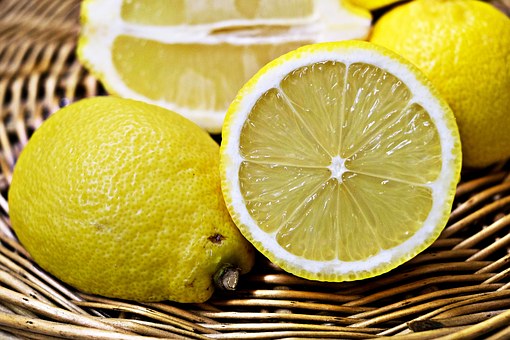

Lemons have been loved for centuries—and for good reason. They’re bright, affordable, and packed with helpful nutrients. Below is a clear, no-nonsense guide to what lemons can (and can’t) do for your health, with simple ways to use them every day.
Quick nutrition snapshot
-
Vitamin C powerhouse:
-
1 cup of lemon sections (with pulp) provides about 112 mg of vitamin C (~125% DV). My Food Data
-
1 cup of lemon juice provides about 94 mg of vitamin C (~105% DV). My Food Data
-
One whole lemon gives roughly 45 mg (~50% DV). Healthline
-
-
Fiber (when you eat the pulp):
5.9 g per cup of sections (21% DV). Lemon juice alone has very little fiber (~0.7 g per cup). My Food Data+1 -
Also contains small amounts of: vitamin B6, thiamin, riboflavin, folate, potassium, calcium, iron, and magnesium. (These are present in modest amounts—vitamin C and fiber are the standouts.) My Food Data
Note: You may have seen claims that a serving of lemons gives 187% of your daily vitamin C. That’s too high for typical servings. Use the numbers above for accuracy. My Food Data+1Healthline
What lemons can help with
1) Everyday immune support
Vitamin C supports normal immune function, helps your body make collagen (for skin and tissues), and acts as an antioxidant. Lemons make it easy to get more of it from real food. Office of Dietary Supplements
2) Better iron absorption (especially from plant foods)
Vitamin C boosts the absorption of non-heme iron (the kind in beans, lentils, and greens). Squeeze lemon over spinach or chickpeas to help your body use more of that iron. Office of Dietary Supplements
3) Kidney-stone prevention (some evidence)
Lemons are rich in citric acid, which can increase urinary citrate—a stone-fighting compound. Some studies and clinical guidance suggest regular lemon water or lemonade (e.g., ~4 oz lemon juice mixed with water daily) may help prevent certain calcium oxalate stones, mainly by increasing citrate and urine volume. Evidence is mixed, so think of it as a helpful habit alongside your provider’s plan. Cleveland ClinicPubMed+1
4) Hydration & weight-management friendly
Lemon water can make plain water more appealing, so you drink more and skip sugary beverages—that’s the real weight-loss angle. Lemons don’t “burn fat,” but swapping soda/juice for lemon water can cut calories and support a healthy routine. Cleveland Clinic+1
5) Gentle digestion help
Stomach acid helps break down food; lemon’s natural acidity may be especially helpful for some people, and many like starting the day with warm lemon water. (If you have reflux/GERD, citrus may aggravate symptoms—listen to your body.) Cleveland Clinic
6) Antioxidants & plant compounds
Besides vitamin C, lemons contain flavonoids and oils (especially in the zest) that show antimicrobial and antioxidant activity in lab studies. That doesn’t make lemon a medicine, but it’s another reason to cook with zest and fresh lemon. PMC+1
Common myths—cleared up
-
“Lemon cleanses the liver.”
Your liver already detoxifies your body. Lemon water is hydrating and nutritious, but it’s not a detox button. Cleveland Clinic -
“Lemon melts fat.”
There’s no special fat-burning chemical in lemon. Benefits come from hydration and calorie swapping, not magical metabolism changes. Cleveland Clinic
Smart ways to use lemons
-
Squeeze over greens, lentils, fish, or avocado toast to boost flavor and iron absorption. Office of Dietary Supplements
-
Zest into dressings, yogurt, baked oats, or roasted vegetables for extra aroma and plant compounds.
-
Lemon water: Add fresh juice to still or sparkling water; keep added sugar low or zero.
-
Freeze lemon juice in ice trays to pop into water or sauces anytime.
Dental & safety tips (important!)
Lemon juice is acidic and can weaken tooth enamel if you sip it all day. Simple habits protect your smile:
-
Drink lemon water with meals and in one sitting (don’t nurse it for hours).
-
Rinse with plain water after drinking; wait ~1 hour before brushing.
-
Use a straw if you drink it often. MouthHealthyAmerican Dental Association+1
Bottom line
Lemons are an excellent food source of vitamin C, offer fiber when you eat the pulp, and can support hydration, iron absorption, and—in some people—kidney-stone prevention. They don’t “detox” your liver or “burn fat,” but they’re a tasty, versatile way to upgrade meals and drinks. Keep your dental care in mind, and enjoy them as part of a balanced diet. My Food Data+1Cleveland Clinic